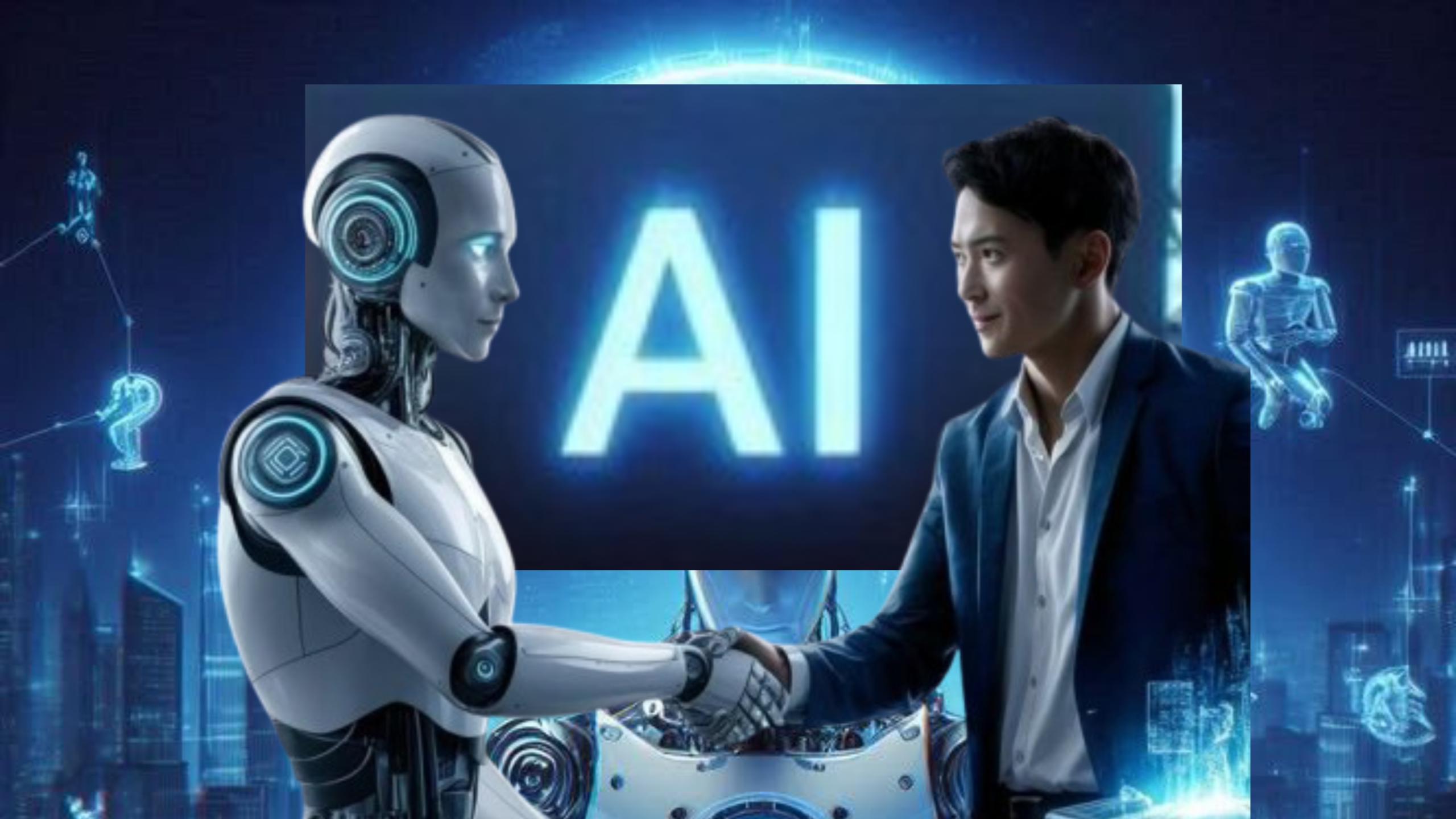
Artificial Intelligence, or AI, is no longer a concept confined to science fiction movies or academic research labs. It has become a transformative force that is reshaping every aspect of our world — from how we work and communicate to how we learn, shop, and even think. The 21st century can rightly be called the “Age of Artificial Intelligence”, as this technology continues to evolve at an unprecedented pace.
AI’s impact can be seen in industries as diverse as healthcare, finance, education, entertainment, agriculture, and transportation. As algorithms grow more sophisticated and capable of learning from massive data sets, they are beginning to perform tasks that once required human intelligence — such as recognizing speech, analyzing images, making predictions, and even generating creative content.
But as AI brings new opportunities, it also raises profound questions about ethics, privacy, employment, and the future of human civilization. In this article, we’ll explore the rise of AI, how it is transforming various sectors, its benefits and challenges, and what the future might hold for this revolutionary technology.
1. Understanding Artificial Intelligence
Artificial Intelligence refers to the simulation of human intelligence in machines that are programmed to think, learn, and make decisions like humans. The concept was first introduced in the 1950s by pioneers such as Alan Turing, John McCarthy, and Marvin Minsky. However, the real explosion of AI began in the 21st century due to the rise of big data, powerful GPUs, and advanced machine learning algorithms.
AI can be broadly divided into three categories:
1. Narrow AI (Weak AI): Systems designed to perform specific tasks, such as voice assistants (like Siri or Alexa), chatbots, and recommendation systems.
2. General AI (Strong AI): A theoretical form of AI that can understand, learn, and apply knowledge across multiple domains, much like a human being.
3. Superintelligent AI: A hypothetical future stage where machines surpass human intelligence and capabilities — a concept that both excites and terrifies scientists
Currently, we are in the era of Narrow AI, but the rapid progress in deep learning and neural networks is bringing us closer to more advanced forms of intelligence.
2. The Technological Foundations of AI
The rise of AI is driven by several key technological advancements:
Machine Learning (ML): The ability of computers to learn from data and improve their performance over time without explicit programming.
Deep Learning: A subfield of ML that uses artificial neural networks inspired by the human brain, allowing systems to recognize patterns in complex data such as images, speech, and text.
Natural Language Processing (NLP): The technology behind chatbots and virtual assistants that enables machines to understand and generate human language.
Computer Vision: Enables machines to interpret and analyze visual data, leading to applications like facial recognition, autonomous vehicles, and medical imaging.
Robotics: Combines AI with physical machines to perform complex tasks in industries, homes, and even outer space
These technologies, when combined, create powerful systems capable of revolutionizing the way we live and work.
3. AI in Everyday Life
AI has already become a part of our daily lives, often in ways we don’t even realize:
Smartphones: AI powers features like facial recognition, predictive typing, and personalized recommendations.
Social Media: Algorithms on platforms like Facebook, Instagram, and YouTube curate content based on user preferences.
Online Shopping: E-commerce sites use AI to recommend products, forecast demand, and manage logistics.
Streaming Services: Netflix, Spotify, and others use AI to suggest movies, music, and shows you might enjoy.
Navigation and Travel: Google Maps and ride-sharing apps like Uber rely on AI to calculate routes, predict traffic, and optimize rides.
Through these applications, AI is making our lives more convenient, efficient, and personalized.
4. AI in Major Industries
a) Healthcare
AI is revolutionizing healthcare by improving diagnosis, treatment, and patient care. Machine learning algorithms can analyze medical images to detect diseases like cancer or heart conditions faster than human doctors. AI-powered robots assist in surgeries, while chatbots help patients schedule appointments and get medical advice.
Predictive analytics can forecast disease outbreaks, while personalized medicine tailors treatments to an individual’s genetic profile. During the COVID-19 pandemic, AI played a crucial role in vaccine development, contact tracing, and data analysis.
b) Education
AI is transforming education through personalized learning experiences. Platforms like Duolingo, Coursera, and Khan Academy use AI to adapt lessons based on student performance. Intelligent tutoring systems can identify weak areas and offer targeted support. AI also helps teachers with grading, administrative tasks, and curriculum planning.
c) Finance
In the financial sector, AI algorithms detect fraud, automate trading, and assess credit risk. Chatbots assist customers with banking services 24/7, while robo-advisors help investors manage portfolios efficiently. AI-driven analytics also help institutions make better lending and investment decisions.
d) Transportation
Self-driving cars and drones are perhaps the most visible examples of AI in transportation. Companies like Tesla, Waymo, and Uber are developing autonomous vehicles that use sensors and AI to navigate roads safely. AI also helps optimize logistics, reduce traffic congestion, and improve road safety.
e) Agriculture
AI helps farmers monitor crops, predict weather patterns, and optimize irrigation systems. Drones equipped with computer vision can detect pest infestations early, while AI-powered systems analyze soil health and suggest the best crops for cultivation.
f) Entertainment and Media
AI is changing how movies, music, and art are created. Tools like ChatGPT, Midjourney, and DeepArt enable artists to collaborate with machines. In the film industry, AI is used for scriptwriting, editing, and visual effects. Streaming platforms rely heavily on AI to personalize user experiences.
5. Benefits of AI
The advantages of artificial intelligence are vast and undeniable:
Efficiency: AI automates repetitive tasks, allowing humans to focus on creative and strategic work.
Accuracy: In fields like healthcare and engineering, AI reduces human errors.
24/7 Availability: Machines don’t tire, making AI ideal for customer service and monitoring systems.
Cost Reduction: Automation lowers operational costs for businesses.
Innovation: AI drives technological breakthroughs, leading to new products and services.
Accessibility: AI-powered tools make education, healthcare, and information more accessible worldwide.
6. The Challenges and Risks of AI
While AI offers many benefits, it also poses serious challenges:
a) Job Displacement
Automation threatens millions of jobs in manufacturing, customer service, and data entry. As machines take over repetitive tasks, workers may need to reskill to stay relevant in the job market.
b) Ethical Concerns
AI systems can sometimes exhibit bias due to skewed training data. For example, facial recognition systems have been criticized for racial and gender inaccuracies. Ethical frameworks are necessary to ensure fairness, accountability, and transparency.
c) Privacy Issues
AI relies on massive data collection, raising concerns about user privacy and data misuse. Companies must ensure strong data protection measures to prevent breaches and misuse.
d) Security Threats
AI can be weaponized for cyberattacks, deepfakes, and misinformation campaigns. The use of AI in warfare and surveillance also raises moral and humanitarian questions.
e) Dependence and Control
As AI becomes more integrated into daily life, society risks becoming over-dependent on technology. There’s also the existential concern: What happens if AI surpasses human intelligence and becomes uncontrollable?
7. The Role of Governments and Organizations
Governments and international bodies are taking steps to regulate AI development and ensure ethical use. The European Union’s AI Act is one of the first major regulatory frameworks designed to govern AI applications. Countries like the United States, China, and India are investing heavily in AI research and innovation.
Organizations such as UNESCO and the World Economic Forum are promoting responsible AI that benefits humanity as a whole. The goal is to strike a balance between technological progress and human values.
8. The Future of AI
The future of AI looks both promising and challenging. Experts predict that by 2035, AI could contribute over $15 trillion to the global economy, revolutionizing industries and creating millions of new jobs.
We can expect breakthroughs in areas like:
Quantum AI: Combining quantum computing with AI to solve complex problems faster.
AI in Space Exploration: Assisting astronauts and managing spacecraft autonomously.
Emotional AI: Machines capable of recognizing and responding to human emotions.
AI for Climate Change: Analyzing environmental data to combat global warming and manage natural resources sustainably.
However, as AI becomes more advanced, society will need to focus on ethical AI, ensuring transparency, fairness, and human oversight.
9. Human and AI Collaboration
Rather than fearing AI, we should focus on collaboration between humans and machines. AI can augment human intelligence — helping doctors make better diagnoses, aiding teachers in personalizing lessons, and assisting engineers in designing smarter cities.
The key lies in “Augmented Intelligence”, where AI acts as a partner, not a replacement. By combining human creativity and empathy with machine precision and speed, we can achieve extraordinary outcomes.
10. Conclusion
The rise of AI marks one of the most significant transformations in human history. From healthcare to entertainment, from education to agriculture, AI is reshaping the way we live, work, and interact. While it presents challenges such as job displacement, ethical dilemmas, and privacy risks, its potential to improve human life is immense.
The future will belong to those who can adapt, innovate, and use AI responsibly. As we move forward, it’s essential to ensure that this technology serves humanity enhancing our potential rather than replacing it.
Artificial Intelligence is not just a tech
nological revolution; it’s a human evolution. How we shape it today will determine the kind of world we live in tomorrow.